
Brooks School Spotlight: Leslie Reynolds
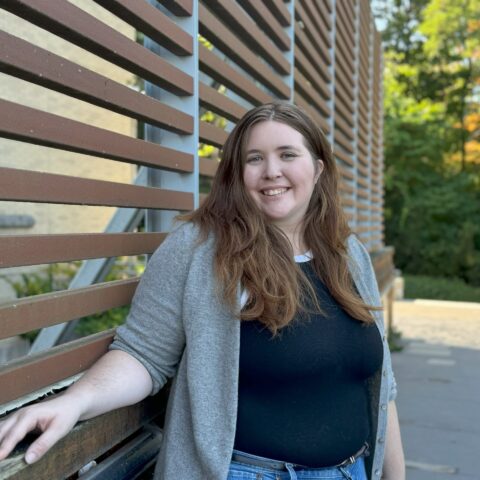
Meet Leslie Reynolds, Research Support Specialist
Reynolds is a research support specialist in the Program in Applied Demographics (PAD). Located within the Cornell Population Center, PAD uses population-level data and other available research to provide context and perspective to people working to shape New York State’s future.
Q: Could you describe your role in the Program in Applied Demographics and how your work supports research at Brooks?
Applied demography is a niche but also very dynamic field. At the core, I’m a population researcher. Since our work is applied, we look not only at demographic trends but also at how they can be used in everyday life. I perform a lot of statistical analysis—pulling, cleaning, and checking data to determine whether significant shifts are real changes or simply the result of methodology. It feels like a puzzle to me, which is fascinating.
We work with the Census Bureau and state partners, including the New York State Department of Labor, and participate in national networks that develop population estimates and projections.
Q: What drew you to applied demography, and what do you find most interesting about population trends?
I actually started as a pre-pharmacy major. But I loved my statistics courses, and after taking an intro sociology class, I realized I could combine the two. That class used statistics to analyze Titanic survival rates by socioeconomic status— it was such an enlightening project.
When I graduated, I was looking into graduate programs and discovered applied demography. It was exactly what I wanted: applying population trends to understand what’s happening and how to use that knowledge for change.
What excites me most is that there’s always something behind a statistic or trend. One of my favorite concepts is the population balancing equation: change equals births minus deaths plus net migration. If births and deaths balance out, migration becomes the key driver, and figuring out where and why that’s happening is like detective work.
Q: What project or trend excites you most right now?
Probably our work with the Ithaca City School District. We’re analyzing local population trends and looking at how they vary by school and catchment area. My main focus has been demographic analysis, but I’ve also been involved with the projections led by my colleague Jan Vink at PAD. It’s exciting because it’s a very hands-on application of research, directly informing decisions that affect schools and communities.
Q: How do you see demographic research shaping policy conversations in New York State and beyond?
Population estimates come out every year, and they often spark strong reactions—sometimes panic—before people understand the context. Headlines might say “New York is plummeting” one year and then report an influx the next. For example, this past year’s increase was largely due to humanitarian migrants in New York City who were not previously included in the estimates.
These numbers raise immediate questions—about housing, healthcare, or other needs—but it’s important to understand the nuances and long-term trends. Our role is to translate the data and provide evidence-based context for policymakers. Demographic data are powerful first indicators, but they need careful interpretation.
Q: How is policy personal to you?
For me, it’s about making research accessible. We have so many studies and so much data, but access is often blocked by paywalls or siloed systems. I’m motivated to connect that information to real-world outcomes, like improving maternal health or local services, because data can make lives better.
On a personal level, I also connect to research around fertility trends. We often hear about declining fertility rates, but that misses the nuances of personal and family decision-making. Zooming in on aspects such as age at first birth, educational attainment, and economic stability helps me, as well as people I know, to see our own experiences reflected in the data. That connection makes policy and research feel real.
Q: What’s your favorite spot on campus to take a break?
There’s a picnic table on a hill behind the Physical Sciences Building where you can see and hear the falls. It feels like reaching a lookout point on a hike, but it’s right on campus. I’ll sometimes grab lunch or coffee and sit there.
Q: What’s your perfect afternoon in the Finger Lakes?
Recently, my best friend visited, and we attended “Bacon on the Lakin,” a Seneca Lake wine trail event where each winery paired tastings with a bacon dish, such as bacon peach cheesecake and bacon chili. It was a beautiful drive with lake views, wine, and bacon. Honestly, that was the perfect Finger Lakes afternoon.