What Public Engagement Looks Like at Brooks
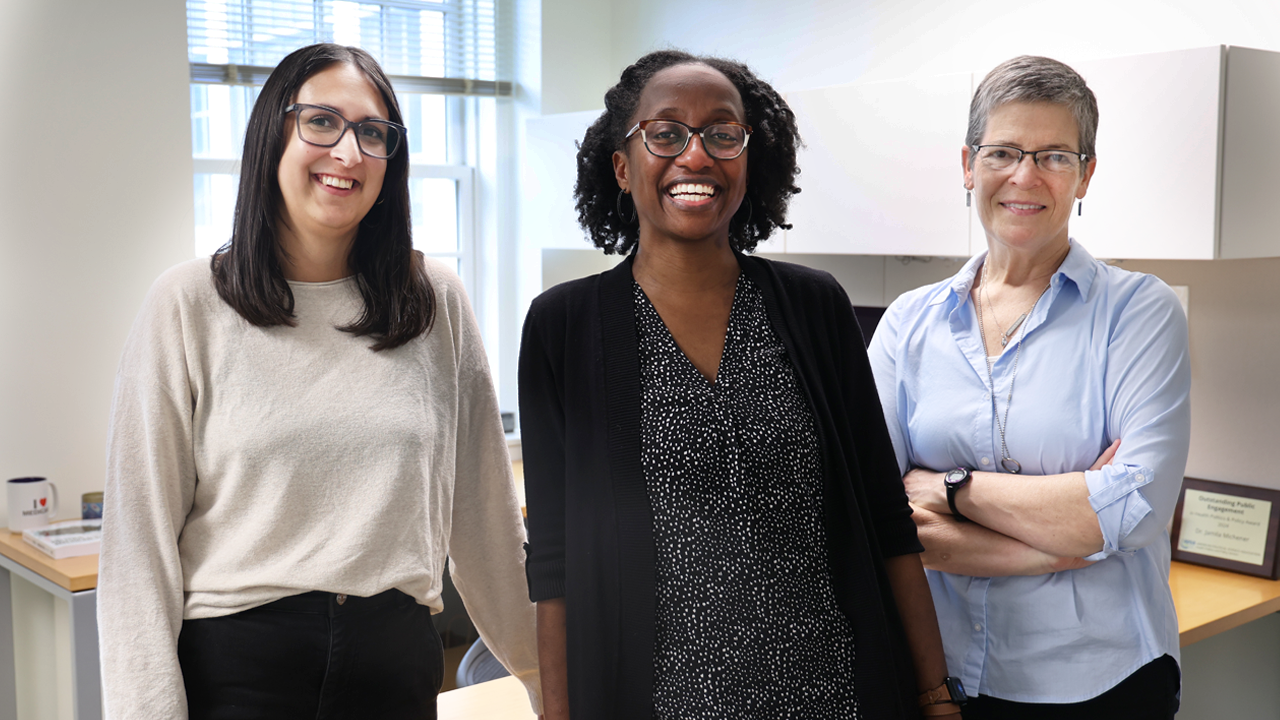
Public engagement is a core part of our mission. It draws on the expertise of the Brooks community to inform and support efforts that produce tangible public benefit. Our work bridges academic research with real-world application, creating meaningful change in people’s lives and communities.
Our commitment
It is integral to our mission of advancing social well-being through active research, teaching, and service to address complex global policy issues. We are committed to being a dynamic hub that supports engaged research and teaching resources for faculty, real-world learning experiences for students, and sustained, reciprocal, collaborative relationships with partner organizations.
Engagement in Action
Facilitating social change through public engagement is a driving force animating the work of Brooks students, faculty, and staff. Brooks takes a broad and bold approach to public engagement as reflected in the research, teaching, partnerships, events, and media work the Brooks community offers. Two pillars of our engagement efforts include:
- Public Engagement Partnership Network
- Community Engaged Learning Courses
Public Engagement Partnership Network
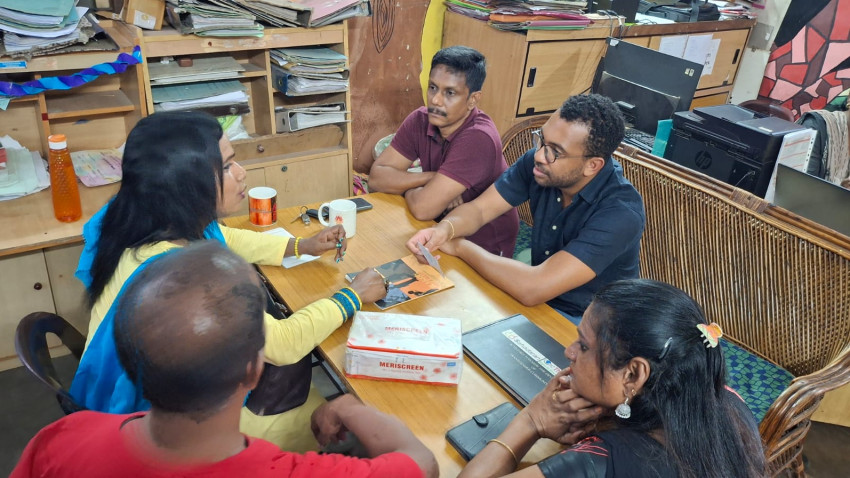
The Public Engagement Partnership Network strengthens the local, national, and global impact of Brooks by supporting sustained, reciprocal collaborations with community-based organizations. Partners work with our students, faculty, and staff on research that advances their public missions while providing applied learning opportunities for Brooks community members.
Partner Spotlights
Partner: Maine People’s Alliance (MPA)
Brooks students, faculty, and staff supported MPA’s efforts to advance tenant protections in Maine. Students conducted a national landscape analysis of housing and tenant laws, helping inform draft legislation and strengthen the organization’s advocacy strategy.
Partner: Food Bank of the Southern Tier
Brooks teams evaluated a leadership and empowerment program designed for community members experiencing food insecurity. Through surveys, interviews, and thematic analysis, students produced an evaluation report that guided the Food Bank’s next steps in program and advocacy planning.
Collaborating with the Brooks School of Public Policy research team on the evaluation of the 2024 Community Advocates Program was a valuable experience… Their conclusions were grounded in a rigorous methodology, lending strong credibility to this work.
– Jennifer Bertron, Evaluation Manager, Food Bank of the Southern Tier
Community Engaged Learning
Community Engaged Learning courses take students and faculty beyond the classroom to connect theory to practice. Faculty build partnerships with local and global community organizations, and students both learn from these organizations and contribute to projects with them throughout the duration of the course.
Course Spotlight
Refugee Pathways & Resettlement Policy taught by Dr. Julie Ficarra
Students learn directly from four refugee resettlement agencies in upstate New York, observing frontline work and contributing to community-driven policy and program projects. The course enables students to understand resettlement both academically and through local lived experience.
FAQs
Collaborating with Dr. Michener and her team was a wonderful experience… The resulting landscape analysis of potential housing reforms was incredibly helpful in designing our legislative strategy. We cannot speak highly enough of this team!
– Cate Blackford, Public Policy Director, Maine People’s Alliance
Have Questions?