Is the MS-ESP Right for You?
The MS-ESP is designed for early-career professionals, recent graduates, and emerging leaders who want to build practical policy, analytical, and communication skills to address sustainability challenges across sectors.
This program may be a strong fit if you:
- Want to work in corporate sustainability, energy strategy, environmental consulting, resource management, or public policy
- Are interested in applying economics, law, data, and policy analysis to real-world environmental challenges
- Come from a variety of academic backgrounds, including environmental studies, economics, engineering, political science, business, public policy, communications, or the natural sciences
- Prefer an accelerated, full-time master’s degree that can be completed in just 12 months
Build Your Policy Skillset
Today’s environmental leaders need more than subject-matter expertise. They need the ability to understand policy systems, evaluate data, navigate organizations, communicate effectively, and turn ideas into action.
The MS-ESP curriculum is designed to develop these capabilities. Across five core domains, students build a practical, career-ready toolkit that prepares them to stay flexible and adapt to new policy environments, emerging analytical tools, and evolving environmental challenges throughout their careers.
Career-Ready Skills:
Political Policy Analysis and the Policy Process
Understand how environmental decisions are made, implemented, and evaluated across local, national, and global institutions.
Fundamentals of Microeconomics for Policy
Learn how markets, incentives, and economic systems shape environmental outcomes and sustainability strategies.
Statistics and Data Analytics
Build expertise in statistical analysis, data visualization, and research design to generate evidence-based insights for environmental and sustainability policy.
Management and Leadership
Develop the leadership and management skills needed to guide teams, organizations, and cross-sector initiatives.
Integrative Thinking and Policy Communication
Learn to engage stakeholders, navigate ethical challenges, and advance effective and equitable environmental solutions.
Learn by Doing
This 41-credit curriculum culminates in an engaged-learning capstone project completed with an external policy partner organization. Students tackle real sustainability and environmental policy challenges while working directly with practitioners and faculty mentors.
Summer (June–August)
Foundations
- 6 Credits
- Courses:
- Intermediate Microeconomics for Public Affairs
- Comparative Environmental Policy
Build core policy and analytical skills while joining your cohort and beginning your sustainability leadership journey.
Fall (August–December)
Policy and Analysis
- 16 Credits
- Courses:
- Applied Econometrics for Public Policy
- Political Analysis and the Policy Process
- Energy Transition: Policy, Financial and Business Interactions
- Environmental and Sustainability Policy Colloquium
- Climate Economics and Policy; Markets, Policy and Sustainability; or Economics and Environmental Policy
- Designing Your Career in Policy, Data Science, and Sustainability
- Potential Elective(s)
Develop expertise in economics, governance, communication, and quantitative analysis through intensive coursework and applied projects.
Winter Session (January)
Environmental Law and Ethics
- 3 Credits
- Courses:
- Legal, Regulatory, and Ethical Aspects of Environmental Policy
Explore the intersections of law, regulation, and ethics, including recent developments in environmental justice and ESG investing. Build the knowledge needed to navigate complex environmental policy challenges and lead across the public, private, and nonprofit sectors.
Spring (January–May)
Leadership and Application
- 16 Credits
- Courses:
- Communication for Public Policy
- Project Management
- Causal Analysis and Impact Evaluation in Public Policy
- Brooks Engaged Learning Capstone
- Potential Elective(s)
Apply your learning through advanced coursework and a capstone project addressing a real-world sustainability challenge with an external partner organization.
Graduate in May
Complete your degree in just 12 months and enter the workforce equipped with practical policy, analytical, and leadership skills.
Student Opportunities
Courses Taught by Changemakers
Learn from leading scholars and practitioners in environmental law, economics, politics, sustainability policy, and communication. Faculty and executives in residence bring firsthand experience from the private sector, government, advocacy organizations, and international policy circles, ensuring your coursework remains aligned with employer needs.
Elective Pathways
Tailor your studies to your interests and career goals. Elective courses allow you to build additional expertise in climate, food systems, sustainability strategy, corporate responsibility, infrastructure financing, environmental governance, and other areas shaping today’s sustainability landscape.
View the MS-ESP CurriculumCampus Sustainability Connections
Benefit from Cornell’s university-wide commitment to sustainability, anchored by the Atkinson Center for Sustainability. This interdisciplinary hub connects faculty, researchers, students, and global partners working on climate, energy, food systems, conservation, and public health challenges.
Capstone Project: Policy in Practice
Apply your training to a real-world environmental challenge through a hands-on capstone experience. Projects span local to global issues, from climate resilience and energy transitions to sustainability initiatives with corporations, conservation organizations, and public-sector partners.
Who You’ll Learn Alongside: MS-ESP Class Profile
Students join a selective cohort of domestic and international peers who bring experience from government, conservation, international development, ESG, and environmental policy. The cohort fosters close collaboration, individualized support, and meaningful engagement with faculty, practitioners, and peers.
Our students include:

Early-career professionals and recent graduates ready to expand their policy expertise and accelerate their impact in environmental and sustainability leadership
Students with undergraduate degrees spanning environmental science, engineering, economics, law, political science, business, agriculture, and the social sciences
Future leaders pursuing careers across the public, private, and nonprofit sectors, addressing complex environmental and sustainability challenges through policy and practice
Individuals united by a shared commitment to advancing evidence-based environmental policy, sustainability, and lasting public impact
Quick MS-ESP Program Facts

Program Schedule
12 months, starting in June

Degree Awarded
MS in Environmental and Sustainability Policy

Program Format
Full-time residential and STEM-designated
STEM-Designated Degree
The MS-ESP is STEM-designated, reflecting the program’s emphasis on data analysis, quantitative methods, and evidence-based decision-making.
For international students, a STEM designation may provide eligibility for additional Optional Practical Training (OPT) opportunities after graduation, allowing graduates to gain extended professional experience in the United States.
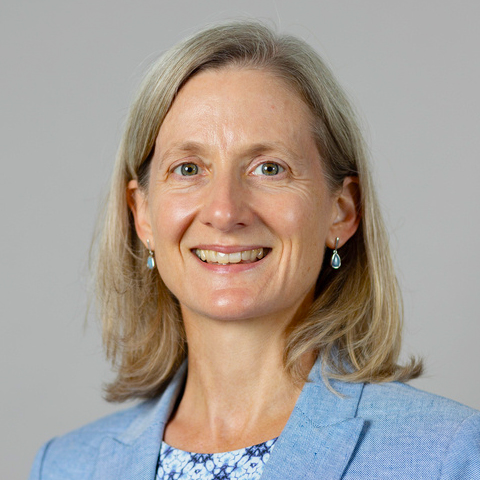
I really fell in love with economics as a lens for analyzing environmental problems, because the problems are so complex, the stakes are so high and the human cost is so large.
– Sheila Olmstead, Professor and Atkinson Center Scholar, past senior economist for energy and the environment at the President’s Council of Economic Advisers
Career Pathways
The MS-ESP prepares graduates for careers where sustainability, policy, economics, and strategy intersect.

Graduates pursue roles such as:
- Sustainability Analyst
- Environmental Policy Analyst
- Sustainability Consultant
- Energy Policy Analyst
- Climate Program Manager
- Resource Management Specialist
- ESG Strategy Specialist
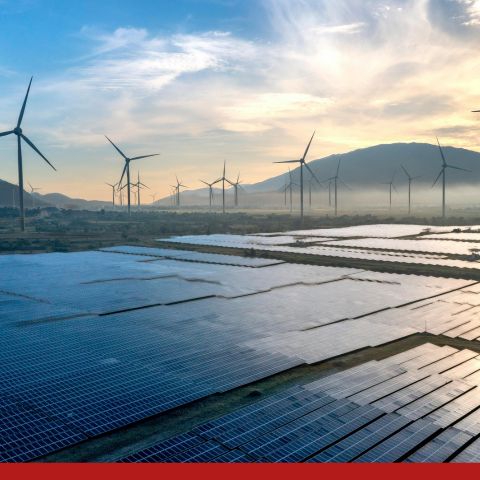
Target employers span:
- Corporate sustainability teams
- Consulting firms
- Energy organizations
- Government agencies
- International organizations
- Environmental nonprofits
Admissions at a Glance
Application Requirements:
- Bachelor’s degree from an accredited institution
- Unofficial transcripts for application review
- Resume
- Two academic or professional recommendations
- Statement of purpose
- GRE/GMAT not required and not considered
International Applicants:
- Proof of English-language proficiency is required through TOEFL, IELTS, or an approved exemption pathway established by Cornell Graduate School.
Work Experience:
- Professional experience is welcomed but not required. The program is designed for both recent graduates and early-career professionals.
Looking for Admission Details?
Funding Your Degree
Investing in graduate education is an important decision. The Brooks School is committed to helping qualified students access funding opportunities.
Funding Options Include:
- Merit-based scholarships
- Federal student loans for eligible U.S. students
- Veterans education benefits
- External fellowships and scholarships
- Private educational loan options
All applicants are automatically considered for merit scholarships during the admissions review process. No separate scholarship application is required.
Estimated Tuition
Tuition for students beginning in Summer 2026 is $62,588 for the full 12-month program.